How to Choose the Right Quad Bike Desert Ride in Dubai
Choosing a quad bike ride is less about picking the loudest machine and more about matching the ride to your confidence, the terrain, and the kind of day you want. Dubai desert outings can range from a calm introduction to a fast, dusty route over open dunes. The right choice feels controlled from the start, not something you have to survive.
Begin by deciding what you want from the ride. Some riders want a slow, scenic outing with frequent stops. Others want a more energetic session with turns, slopes, and a stronger sense of speed. Be honest about your experience with bikes, jet skis, or other vehicles that need balance and quick reactions. A first timer does not need the most powerful quad. A rider who is comfortable with uneven ground may enjoy a longer route with more varied desert terrain.
Set your riding experience before you compare options
Think about how you handle bumps, steering, and sudden changes in grip. A quad bike is not the same as sitting in a car. Your body shifts with the machine, and your arms and legs help absorb movement. If you are new to it, look for a ride that starts with clear instructions and a gentle warm-up area. That early part matters because it gives you time to understand throttle response, braking, and turning before the route becomes more demanding.
Confidence also depends on the group. A guided tour can help less experienced riders stay on a sensible line and avoid getting separated from the group. It also helps when the route includes changing dunes, where the best path may not be obvious. If you prefer more independence, make sure the operator clearly explains the route, the riding rules, and what happens if you need help. Freedom is useful only when the boundaries are clear.
Match the bike type to your height, build, and skill
Quad bike types vary in size, power, and seating style. A smaller machine can feel easier to manage for a shorter rider or someone who has never ridden before. A larger quad may feel stable at speed, but it can also feel heavy at low speed or during tight turns. The aim is not to look impressive on the bike. The aim is to sit comfortably, reach the controls without stretching, and feel able to brake early.
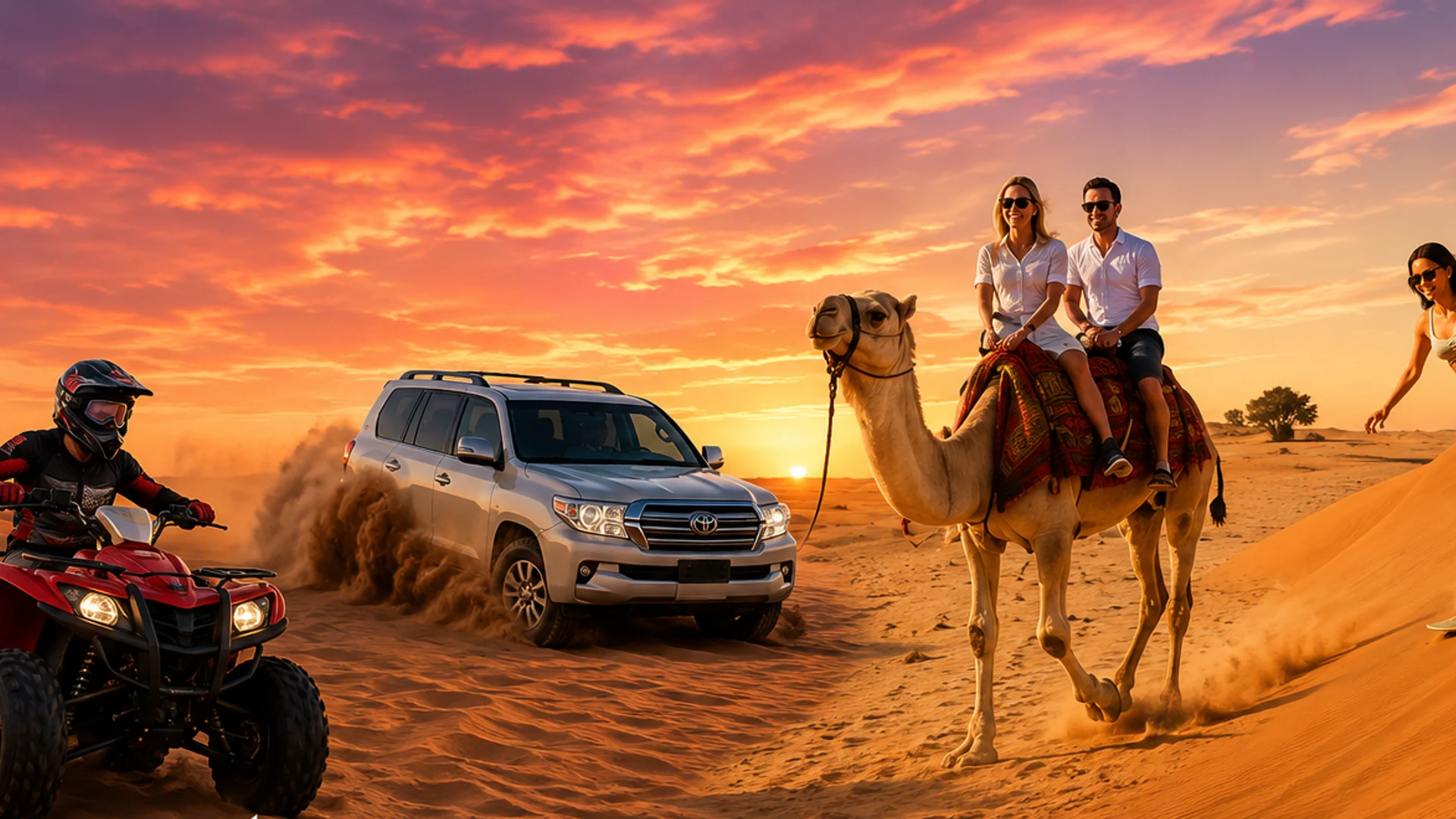
Ask what kind of quad is used for the ride you are considering and whether there are options for different experience levels. If the answer is vague, treat that as a sign to ask more questions. A well matched bike should let you keep your elbows relaxed and your feet firmly placed. If you feel perched on the machine or forced forward, it is not a good fit. Comfort is not a luxury here. Fatigue can make steering and reaction times worse, especially in warm weather.
When comparing quad biking dubai options, look beyond the length of the ride and notice whether the pace is suitable for beginners or mixed groups. A route that sounds short can still be tiring if it involves constant turns, soft sand, or fast transitions between dunes. A longer ride can feel easier if it is paced well and includes pauses. Ask how breaks are built into the session and whether riders can stop without feeling rushed.
Check the safety setup before you book
Safety is not a background detail. Start with the basics: a safety helmet that fits properly, clear hand signals or radio contact, and protective gear that covers the parts most likely to be exposed to sun, sand, and scrapes. A helmet that rocks from side to side or presses uncomfortably on the forehead is not doing its job. Loose clothing can catch on the bike, while inadequate footwear can make it harder to plant your feet and stay balanced.
It is also worth asking how riders are briefed. A proper briefing should explain how to start, stop, turn, keep a safe distance, and respond if the group slows down. It should also cover what to do if a quad starts to slide or if visibility drops because of dust. Good instructions are short, direct, and repeated where needed. If the briefing feels rushed, the rest of the experience may feel rushed too.
Speed limits and route control matter more than many riders expect. Open desert can look empty, but it is still shared space. A responsible ride keeps speeds appropriate to the terrain and the group, rather than encouraging everyone to push hard. Watch for signs that the operator takes this seriously, such as clear rules about spacing, overtaking, and staying with the guide. If a rider is being pushed to go faster than feels safe, that is a reason to step back.
Understand the route, timing, and desert conditions
The desert changes during the day. Sand can be firmer in some areas and softer in others, and dune shapes affect how a quad handles. A route over rolling ground asks for more body movement than a flat track. Steep dunes require judgment and a steady approach, while loose sand can make turning feel slower. This is why route design matters as much as the bike itself.
Ask whether the ride follows marked paths, open desert, or a mix of both. Marked routes can help riders stay oriented, while open areas may allow a more natural feel. Neither is automatically better. The key is whether the route suits the group. New riders often do best on a route with predictable turns and enough space between quads. More experienced riders may enjoy a route with longer stretches and varied dune bashing sections, provided the pace stays controlled.
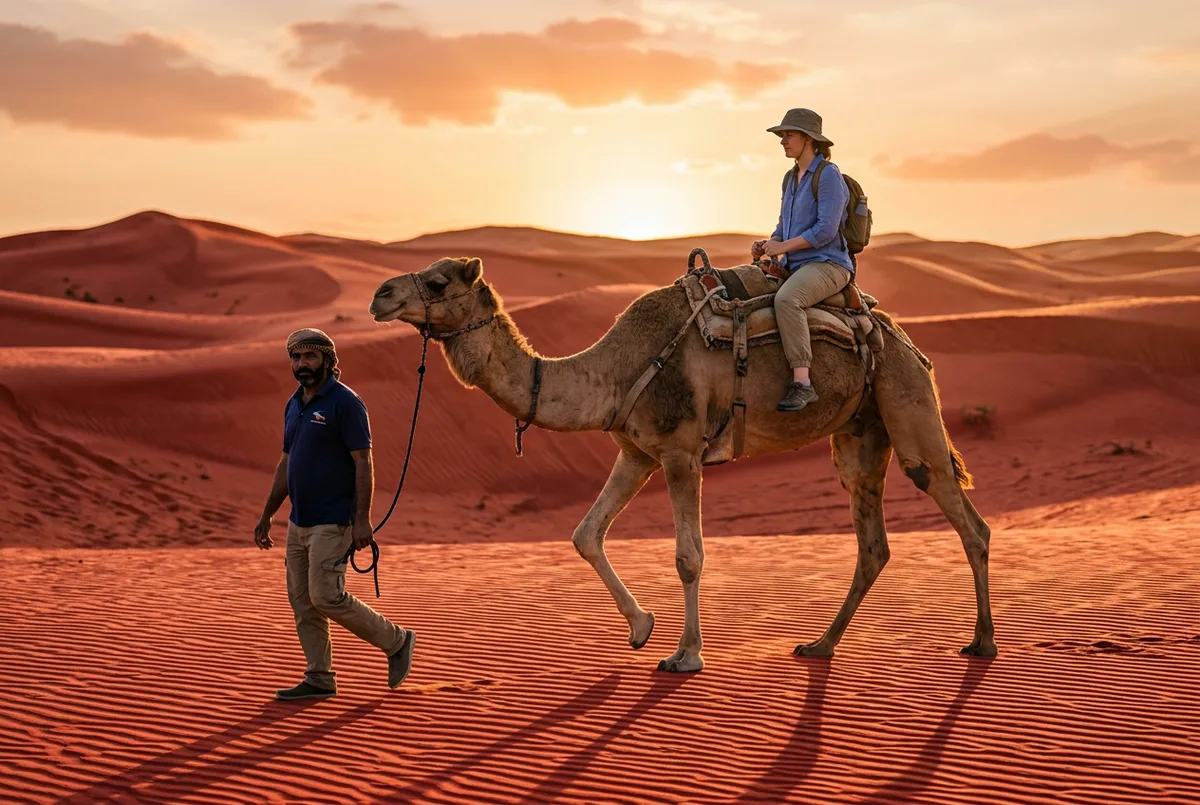
Timing also changes the feel of the outing. Earlier hours may be cooler, while later rides can bring softer light and a different atmosphere. Warm conditions can make protective gear feel heavier, so drink water before and after the ride and avoid treating discomfort as something to ignore. If the day is unusually hot or windy, a shorter session may be wiser than a long one. The desert is not a fixed backdrop, and a good choice accounts for that.
Read the group setup and rider mix
A quad ride is easier to enjoy when the group is arranged sensibly. Mixed groups need a pace that works for beginners and experienced riders alike. If one person wants to sprint and another is still learning throttle control, the route can become stressful. Ask how the group is split, whether different abilities are separated, and whether guides adjust the pace when needed.
Families and friends should also think about who will ride and who will watch. Some people may prefer a desert safari with quad biking as one part of the experience rather than the whole day. That can be a better fit for children, older relatives, or anyone who wants a slower plan. If the quad session is the main event, make sure everyone understands the commitment before arriving. A ride that looks easy from the sidelines can still demand focus and physical effort.
Pay attention to how instructions are delivered. Shouting over engines is tiring and can lead to missed details. Clear pre ride explanations, simple signals, and a calm guide make a real difference. If something is unclear, ask before the bikes start moving. Questions asked during a noisy briefing are easy to miss, and questions asked halfway through a route can disrupt the group.
Know what to wear and what to leave off
Practical clothing helps more than most people expect. Choose lightweight long sleeves and long trousers, closed shoes, and sun protection that does not interfere with your helmet. Avoid loose scarves, hanging straps, or anything that can flap into the controls. Gloves can improve grip and reduce rubbing on your hands, especially on a longer ride. Eye protection is also useful where dust is likely, particularly when quads travel close together.
Bring only what you need on the bike. A small phone pouch or secure pocket is fine, but loose items can fall or distract you. If you want photos, agree on a safe stopping point rather than trying to capture movement while riding. Keeping both hands on the handlebars is the simple rule. A good photo is not worth losing control on uneven ground.
Before you commit, check the rider requirements. These may include age rules, minimum height, or whether certain riders need to share a bike with an experienced companion. Requirements are not barriers for their own sake. They exist because size, strength, and judgment affect control. If a rule seems unusual, ask for the reason rather than trying to bypass it.

Make the final choice with clear questions
A useful final comparison can be made with a short set of questions. The answers should tell you whether the ride is organized around rider safety and enjoyment, or simply around getting people onto bikes.
- What experience level is the ride designed for?
- What kind of quad will be used, and are smaller options available?
- How long is the riding time, excluding briefing and stops?
- What helmet, protective gear, and briefing are provided?
- How does the guide manage pace, spacing, and beginners?
Listen for specific answers. Vague promises about a great time are less useful than a plain explanation of the route, the rules, and the support available. Also trust your reaction to the whole setup. If the pace, bike size, or group arrangement feels wrong before you start, it is better to choose a calmer option. A good quad ride should leave you wanting another session, not counting the minutes until it ends.
The right pick comes down to fit. Choose a bike you can control, a route that matches your experience, and a group that respects safe spacing and sensible speed. When those pieces line up, the desert becomes part of the enjoyment rather than a problem to manage. Take the time to compare properly, ask direct questions, and pick the ride that lets you relax into the experience.